

For many, buying a house is the single largest investment of their life. Visiting the property is a decisive step in the buying process, because it is what confirms whether the home truly matches your needs. It’s the ideal opportunity to ask the seller or their broker every question you have.
Keeping a checklist of questions on hand is an excellent way to avoid forgetting anything when the time comes. By asking the same questions at every house viewing, you give yourself an objective comparison tool that will help you make an informed decision when choosing between similar homes.
Here are 30 important questions to ask when viewing a property. We explain why you should ask them and what the answers imply. You will also notice that some of the seller’s answers deserve to be confirmed by an impartial professional, such as a building inspector.
In brief
- The viewing is the ideal moment to question the seller or their broker before submitting an offer.
- A prepared list of questions prevents oversights and gives you arguments for negotiating.
- Ask about the property itself, recurring costs, the condition of the building, renovations, the neighbourhood and, where applicable, the co-ownership.
- Questions about the sale itself (time on the market, price reductions, previous offers) can influence your negotiating room.
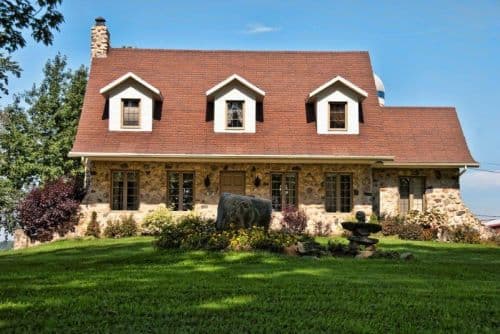
Questions about the property
Before you can tell whether a property suits you, you need to gather some basic information. Here are a few essential questions to ask from the very first viewing.
1. What is the asking price?
This is the starting point of your thinking. The listed price should reflect market reality and stay within your financial capacity.
Remember that other costs are added to the purchase price: down payment, notary, taxes, inspection. Compare several similar properties in the same neighbourhood to judge whether the asking price is reasonable. The gaps can be surprising, even among comparable homes.
2. What is included in the sale?
Some items may be included in the sale, which changes the value of the transaction. Ask for a clear list of inclusions and exclusions: appliances, light fixtures, furniture, wall-mounted air conditioner, shed, parking space.
These inclusions can tip the balance between two equivalent properties. They can also be negotiated in your promise to purchase.
3. What year was the house built?
The age of the building lets you estimate the work to plan for. For example, houses built between 1930 and 1980 may contain materials that are now banned, such as asbestos. Knowing the year of construction therefore helps you anticipate certain risks.
4. What are the dimensions of the house and the lot?
Ask for the liveable area of the house and the size of the lot. This includes the square metres of the rooms, the basement, the garage and the outdoor spaces. These figures let you compare properties on the same basis and verify that the space meets your current and future needs.
5. Is the insulation and soundproofing good quality?
Poor insulation can hurt comfort and inflate your heating bills. Deficient soundproofing, for its part, can undermine your quality of life. It is therefore important to ask questions about these aspects, and to observe the condition of the windows, walls and ceilings.
Keep in mind, however, that only a professional can confirm actual performance.
6. Do the outdoor installations comply with municipal standards?
Certain structures, such as a pool, a fence, a shed or synthetic turf, must comply with specific standards. A non-compliant installation could force you into costly corrections. Make sure all outdoor installations comply with municipal regulations before buying the property.

Questions about ongoing expenses and fees
Becoming a homeowner involves much more than the purchase price. Recurring costs are added and can weigh on your monthly budget. Better to know them from the viewing onward.
7. How much do you pay for home insurance?
Even though the amount of a home insurance premium varies from one insurer and one client to another, getting an estimate gives you a solid benchmark. It helps you anticipate this cost in your monthly expenses.
8. How much do electricity and heating cost?
Ask about the type of heating (electric, heat pump, gas, wood) and ask to see the utility bills from recent months. A poorly insulated house can lead to very high energy costs. Some sellers may underestimate these costs to make the property more attractive. Stay vigilant and rely on concrete figures.
9. How much are the property and school taxes?
Municipal taxes, also called property taxes, represent a significant annual charge for any homeowner. Their exact amount has to fit into your budget, alongside the down payment, notary fees, the welcome tax and your mortgage payments.

Questions about the condition of the property
Unless you want to buy a home to renovate, you probably want to invest in a property in good condition. It is therefore essential to confirm the general state of the home before making an offer.
10. Is the sale linked to a problem with the house?
Knowing why the owner is selling can be revealing. If they mention an issue tied to the property, it may signal that repairs are on the horizon. Ask yourself frankly: are you ready to take on work as soon as you buy?
11. Has the house suffered any damage in recent years?
Past damage, such as water infiltration, a sewer backup or a fire, can have lasting effects. Do not hesitate to ask whether there has already been significant damage.
Note that the seller is required by law to inform you of it in the seller’s declaration.
12. Are there signs of moisture or mould?
Excessive humidity harms air quality and the health of occupants. Examine the windows, frames, walls and ceilings. Signs such as peeling paint, condensation on the windows or a musty smell can reveal a humidity level that is too high.
13. Have any cracks been observed?
Some cracks are purely cosmetic, while others can reveal a significant structural problem, especially if they affect the foundation. Ask the question and have any suspicious crack inspected by a professional.
14. Have tests been done for pyrite, asbestos or radon?
These substances can pose a real health risk and can compromise the value of the property. If no test has been carried out, it may be a good idea to have one done before finalizing the purchase.
15. Has a presale inspection been carried out?
Some sellers have their property inspected before putting it on the market. This gives you a first picture of the state of the premises. If that is not the case, it is strongly recommended to have a pre-purchase inspection done to detect existing problems.
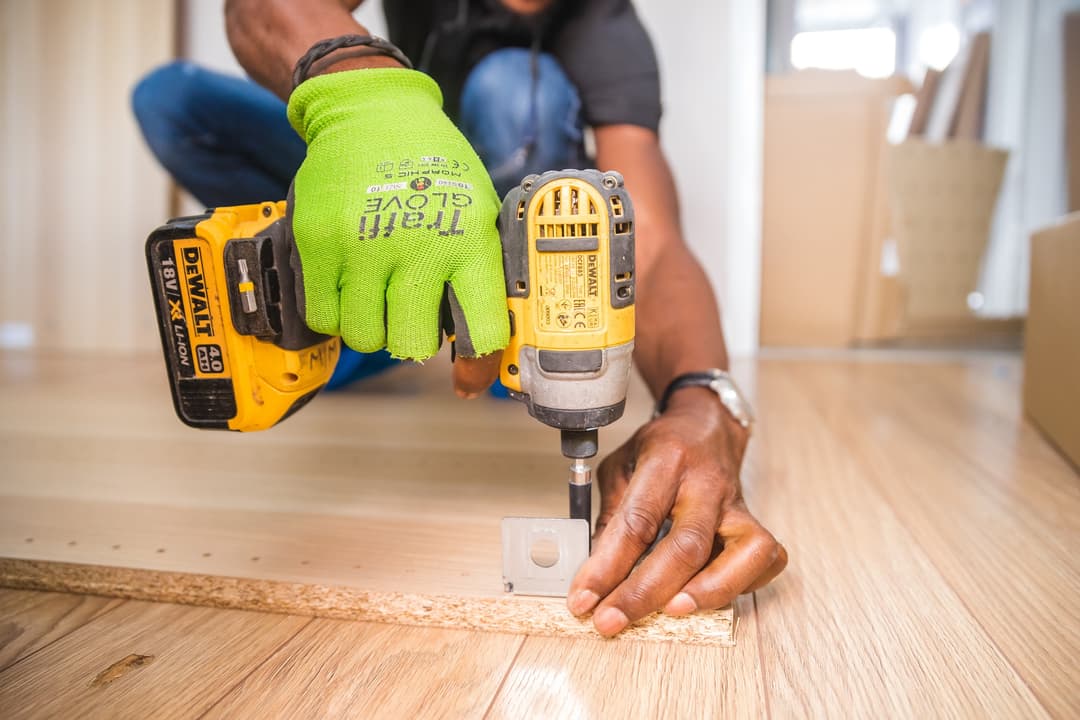
Questions about renovations
Some properties require renovations in the short or medium term. Others have already undergone work whose nature, quality and scope are worth knowing. This information will help you better assess upcoming costs and risks.
16. Are there renovations to plan for?
Ask this question during the viewing to get an overview of the work to consider. The building inspector’s report will confirm or clarify the items to correct, but the seller can already point out certain shortcomings.
17. When were the most recent renovations done?
Ask for the list of renovations along with the invoices. You will be able to confirm the dates of the work, understand its scope and find out whether it was carried out by a qualified professional. Poorly executed or non-compliant renovations can compromise safety or reduce the value of the property.
18. When were the roof, doors and windows replaced?
These items represent major investments. Ask about their replacement date and about the warranties in effect. Careful: some warranties are not transferable to the new buyer.
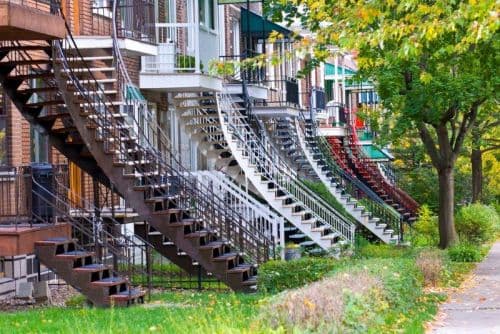
Questions about the neighbourhood
The neighbourhood a property sits in directly influences your quality of life. It is therefore essential to properly assess the surroundings before committing to a purchase.
19. Is the neighbourhood quiet?
An area that is peaceful on a Tuesday morning can come alive on a Friday night or on the weekend. Do not rely solely on the seller’s answer: walk around the neighbourhood at different times of day, and in the evening if possible, to get a truer sense of the atmosphere.
20. Are there tensions with the neighbours?
Conflicts between neighbours or noise nuisances can spoil your comfort. Ask about the mood of the neighbourhood to avoid unpleasant surprises.
21. Are any development projects planned?
Upcoming construction can radically transform the surroundings. Check with the municipality about projects underway or planned (for example a shopping centre, a road widening). A quiet neighbourhood today could become noisy tomorrow.
22. Have there been break-ins in the area?
Security is a priority for most buyers. Ask about past incidents. If several properties in the neighbourhood have been broken into, it may be wise to be extra careful or to continue your search elsewhere.
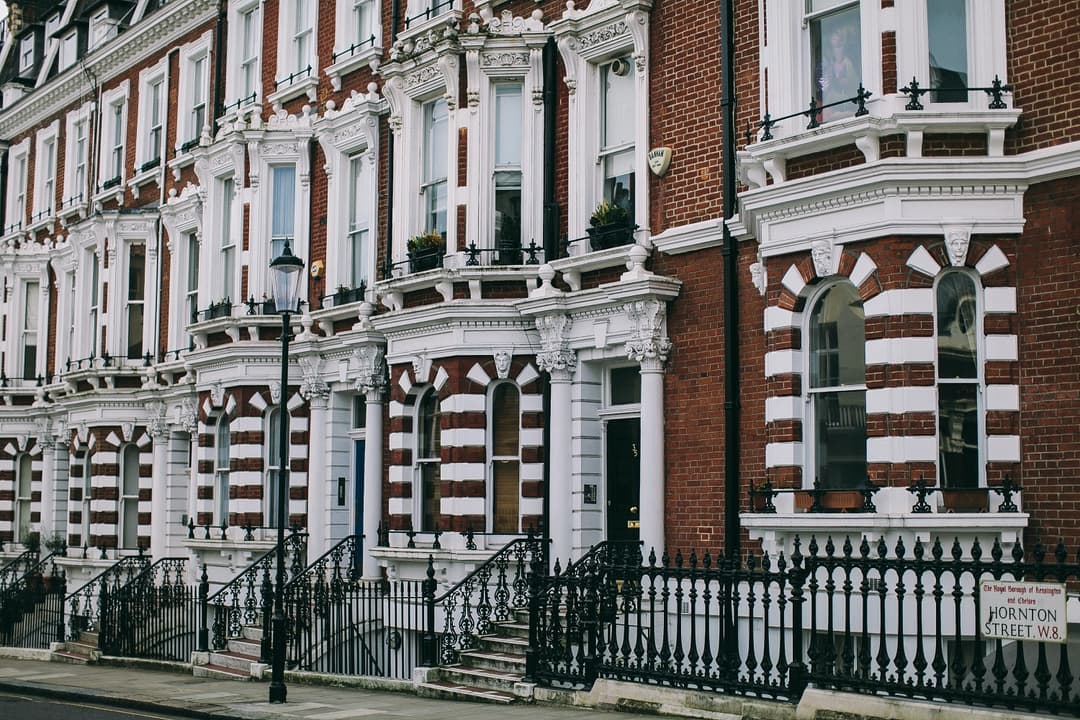
Questions for co-ownerships
Buying a condominium comes with certain particularities. In addition to the unit itself, you also have to consider the management of the building and the obligations attached to it.
23. Is any co-ownership work planned?
Major work, such as redoing the roof or the façade, can lead to high costs split among the co-owners. Ask whether renovations are planned in the short or medium term, as well as the state of the contingency fund.
24. How much are the condominium fees?
Fees that are too low sometimes hide a lack of maintenance or deficient management. Conversely, high fees have to be justified. Also check what those fees cover: maintenance, heating, building insurance, and so on. This will help you assess your real monthly expenses.
25. May I review the declaration of co-ownership?
The declaration of co-ownership sets out the building’s rules, the rights and obligations of co-owners, and restrictions on use. Before buying, make sure you clearly understand what is allowed and prohibited in the unit you are considering.
Questions about the sale
Ask questions about the transaction itself. Too often forgotten, they can say a great deal about your negotiating power.
26. How long has the house been on the market?
A house that has been listed for several weeks, or even several months, usually has a story to tell. An initial price that was too high, a major defect, an unappealing neighbourhood: the reasons can be many and varied.
A property that has been on the market a long time often gives you more room to negotiate.
27. Has the price been reduced since the listing?
One or more price reductions signal a motivated seller or an initial price that was poorly assessed. By asking the question, you can better judge how far the seller is willing to come down, and how quickly.
28. Have any previous offers been refused or cancelled?
A buyer who cancelled an offer after inspection is generally a bad sign. On the other hand, a refused offer tells you about the seller’s real expectations. In both cases, you learn more about the property and about the negotiation ahead.
29. Are there other interested buyers or viewing underway?
If there is real competition, you may have to act quickly and tighten your conditions. If there is none, you have more of the luxury of time.
Keep in mind, however, that a seller has an interest in exaggerating others’ interest to create a sense of urgency.
30. What is the desired occupancy date?
The seller’s flexibility on the date can become a negotiating lever. A seller who has already moved into their next house might want to close quickly. You can then better align your offer with their expectations.

Five answers to validate with a pre-purchase inspection
For most of the questions on this list, the seller’s or the broker’s answer is enough. Five subjects are the exception:
- Insulation and soundproofing (question 5): poor thermal insulation can be measured with specialized equipment.
- Moisture and mould (question 12): what is visible is often only the tip of the problem.
- Cracks (question 13): a cosmetic crack and a structural problem do not have the same implications.
- Pyrite, asbestos and radon (question 14): these risks can only be detected through testing, never by simple observation.
- The roof, doors and windows (question 18): the seller knows the replacement dates, but not always the actual condition.
For all of these points, a pre-purchase inspection carried out by a building inspector remains your best protection. Write down the seller’s answers during the viewing, but treat them as a starting point, not a conclusion.
List of the 30 questions to ask before buying a house
Here is an aide-mémoire of the questions covered above. Do not forget to ask them at your next property viewing.
- What is the asking price?
- What is included in the sale?
- What year was the house built?
- What are the dimensions of the house and the lot?
- Is the insulation and soundproofing good quality?
- Do the outdoor installations comply with municipal standards?
- How much do you pay for home insurance?
- How much do electricity and heating cost?
- How much are the property and school taxes?
- Is the sale linked to a problem with the house?
- Has the house suffered any damage in recent years?
- Are there signs of moisture or mould?
- Have any cracks been observed?
- Have tests been done for pyrite, asbestos or radon?
- Has a presale inspection been carried out?
- Are there renovations to plan for?
- When were the most recent renovations done?
- When were the roof, doors and windows replaced?
- Is the neighbourhood quiet?
- Are there tensions with the neighbours?
- Are any development projects planned?
- Have there been break-ins in the area?
- Is any co-ownership work planned?
- How much are the condominium fees?
- May I review the declaration of co-ownership?
- How long has the house been on the market?
- Has the price been reduced since the listing?
- Have any previous offers been refused or cancelled?
- Are there other interested buyers or viewing underway?
- What is the desired occupancy date?
Are you looking to purchase a property?
Habitam can help you in your efforts to find a real estate broker. By telling us about your project, we will refer you to top-rated experts, free of charge! Simply fill out the form (it only takes 2 minutes) and you will be put in contact with the right experts.