Choosing a city is one thing. Finding one you can afford is another. In Quebec, the gap between the cheapest and the most expensive city is close to a million dollars: $244,000 on one end, $1,165,000 on the other.
Here are the ten cities where buying a home costs the most in 2026. If you are looking at the other end of the market, see our list of the 10 least expensive cities in Quebec. And if you haven’t narrowed things down yet, our guide to choosing where to live covers the full process.
*The median prices in this article come from Centris real estate statistics for the second quarter of 2026.
In brief
- Saint-Lambert is the most expensive city in Quebec outside the Island of Montréal, with a median price of $1,165,000.
- The Island of Montréal sits at $835,000, but that covers everything from $2,201,700 in Outremont to $530,375 in Montréal-Nord.
- Nine of the ten cities are in the Montréal area: six in Montérégie, three in the Laurentians.
- Only Saint-Lambert is above one million dollars, which raises its minimum down payment to $233,000. Everywhere else, it stays under $66,000.
- Quebec’s priciest city costs almost five times what its cheapest one does.
Why the Island of Montréal is not on the list
The Island of Montréal isn’t one city. It includes 19 Montréal boroughs and 15 separate cities, including Westmount, Mont-Royal and Beaconsfield. These cities used to be part of Montréal but became independent again in 2006.
Many of them are among the most expensive places in the province. If we listed them one by one, nine of the top ten spots would go to Montréal neighbourhoods.
Looked at as a whole, the island has a median price of $835,000 for a single-family home, but that number covers a very wide range. Over the past year, the median was $2,201,700 in Outremont and $2,135,250 in Westmount, compared to $530,375 in Montréal-Nord. One spot in a ranking cannot capture a market that varies that much, so Montréal gets its own section here.
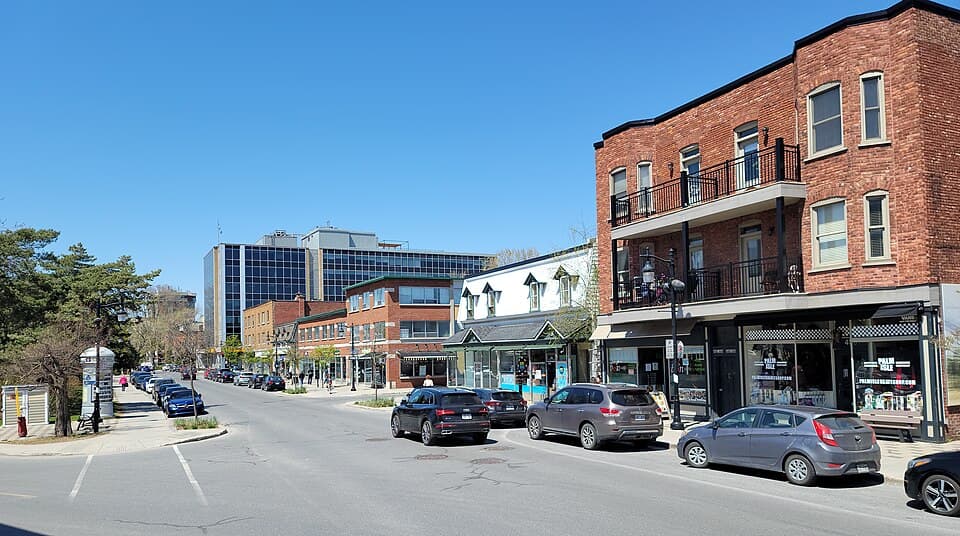
Photo: Wikimedia commons (Veillg1)
1. Saint-Lambert
- Median price of a single-family home (Q2 2026): $1,165,000
- Minimum down payment (20%)*: $233,000
- Region: Montérégie, Longueuil agglomeration
- Population (2021): 22,761
Saint-Lambert is the only city on this list above one million dollars. It costs more than $260,000 more than the city in second place. It sits right across the river from downtown Montréal. Getting there is quick, either by the Victoria Bridge, the Jacques-Cartier Bridge or the commuter train.
The type of homes for sale explains much of the price. Old Saint-Lambert is full of older houses on large lots with mature trees. There is almost no room left to build anything new. Because so few homes come up for sale, prices stay high. Only 43 homes sold during the second quarter of 2026.
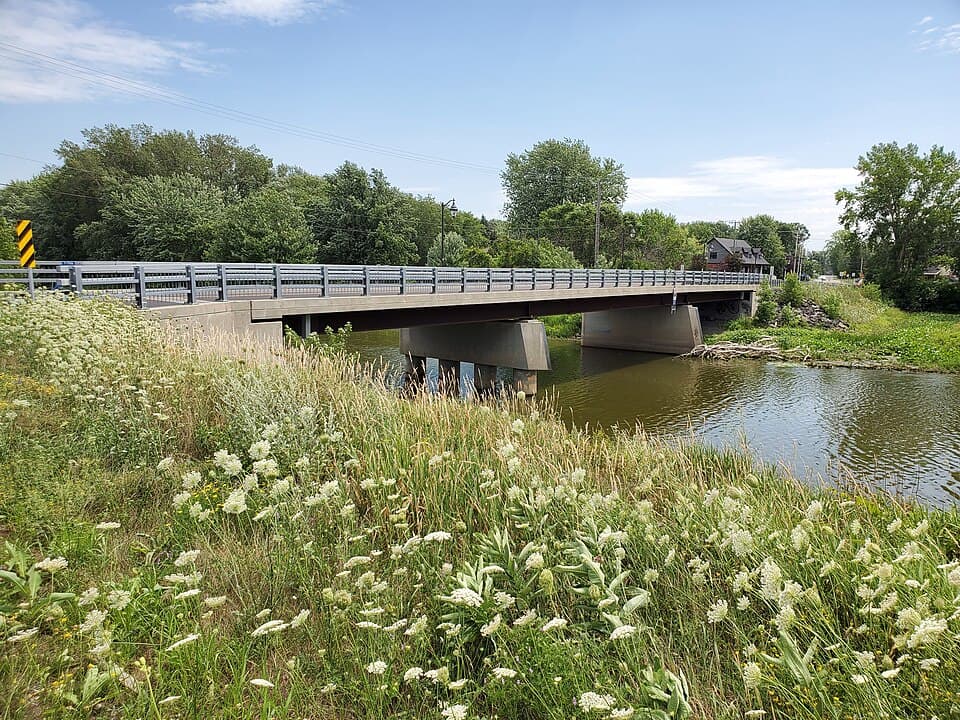
Photo: Wikimedia commons (Veillg1)
2. Carignan
- Median price of a single-family home (Q2 2026): $903,500
- Minimum down payment (5% and 10%)*: $65,350
- Region: Montérégie, La Vallée-du-Richelieu RCM
- Population (2021): 11,740
Ten years ago nobody would have put Carignan on a list like this. It was a quiet rural town beside Chambly. Then its population jumped 24% between 2016 and 2021, one of the sharpest increases in Montérégie.
That growth came with new neighbourhoods, mostly large houses on big lots. Those newer homes make up most of the sales, which is why the median sits so far above neighbouring towns.
The town still feels rural, with the L’Acadie River and the Chambly Basin nearby, but Highways 10 and 30 are only minutes away. And since the price stays under one million dollars, the minimum down payment drops to $65,350. That is more than three times less than in Saint-Lambert.
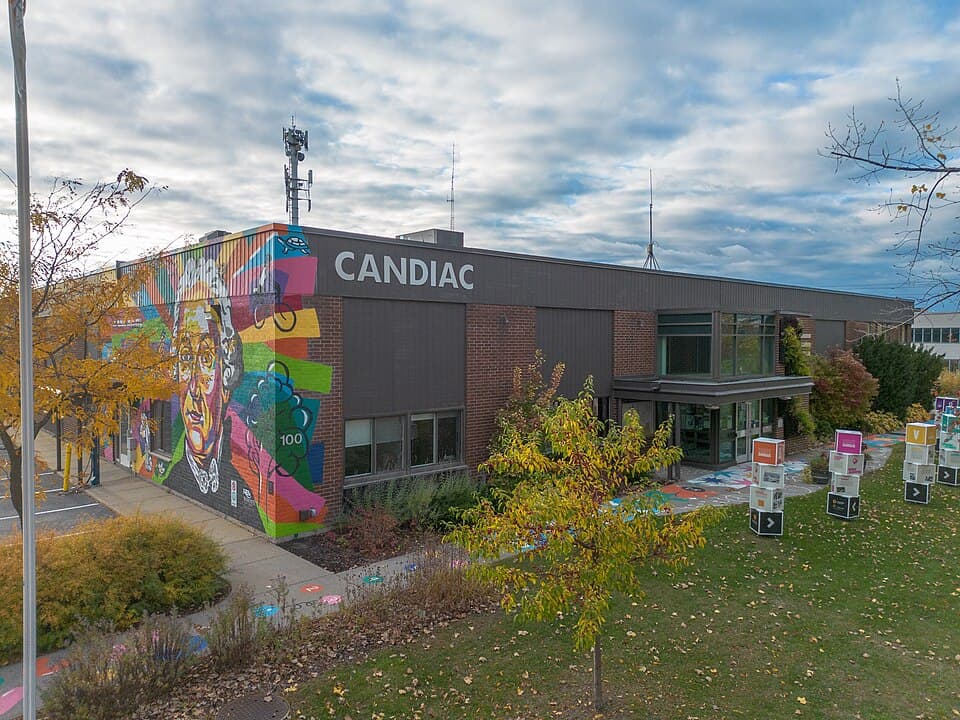
Photo: Wikimedia commons (Hayden Soloviev)
3. Candiac
- Median price of a single-family home (Q2 2026): $899,450
- Minimum down payment (5% and 10%)*: $64,945
- Region: Montérégie, Roussillon RCM
- Population (2021): 22,997
Candiac is only $4,050 behind Carignan, but the two cities have almost nothing else in common. Candiac was planned around curved streets, lots of green space and a clear separation between homes and businesses.
The city is on the St. Lawrence River and has its own commuter train station, so getting downtown is simple, which makes it a popular choice for families. Newer neighbourhoods west of Highway 15 have added a wave of recent homes that pull the median up.
Candiac also has one of the busiest real estate markets on this list, with 222 single-family homes sold over the past year. The high price is not a one-time result; demand there is steady.
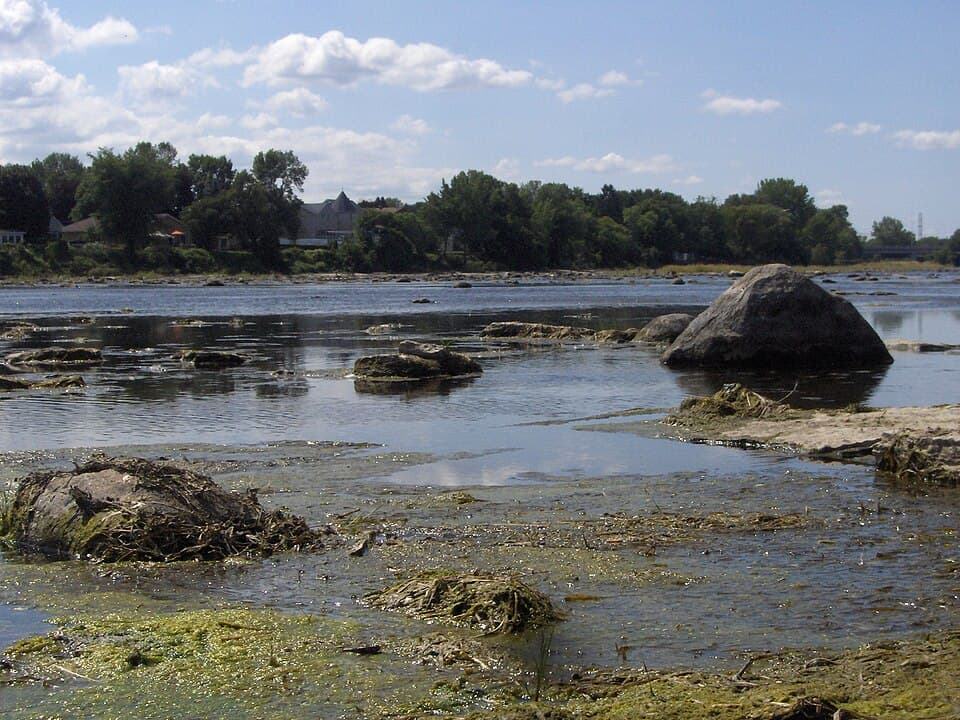
Photo: Wikimedia commons (Richard Mcneil)
4. Rosemère
- Median price of a single-family home (Q2 2026): $817,000
- Minimum down payment (5% and 10%)*: $56,700
- Region: Laurentians, Thérèse-De Blainville RCM
- Population (2021): 14,171
Rosemère is the first North Shore city on the list, and the most expensive one on that side of the river. People know it for the trees, and for lots far bigger than the regional average. Both go back to the early 1900s, when it went up as a summer getaway rather than a suburb.
There’s hardly any land left to build on now. So almost everything that sells is an existing house. The Rivière des Mille Îles runs along the town, the commuter train stops there, Highway 15 is minutes away. Buyers who want room without the long commute end up here. They just don’t get much choice: 47 sales in the quarter.
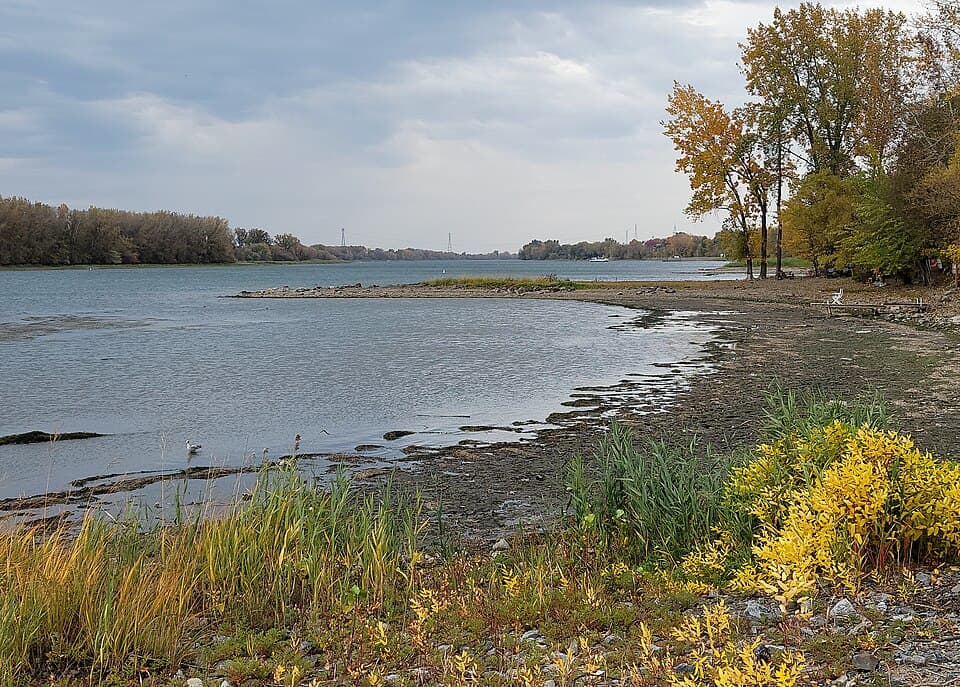
Photo: Wikimedia commons (Veillg1)
5. Boucherville
- Median price of a single-family home (Q2 2026): $805,000
- Minimum down payment (5% and 10%)*: $55,500
- Region: Montérégie, Longueuil agglomeration
- Population (2021): 41,743
Boucherville was founded in 1667, which makes it one of the oldest cities in Quebec. The old village centre by the river is still there. Everything around it, the wide residential streets that make up most of the housing today, came later.
The national park on the Îles-de-Boucherville is right next door, and you won’t find many parks like it this close to Montréal. The city also has a big network of bike paths, all the usual services, and an industrial park that employs a good share of residents.
With 316 single-family sales over the past year, it’s one of the busiest markets on the South Shore.
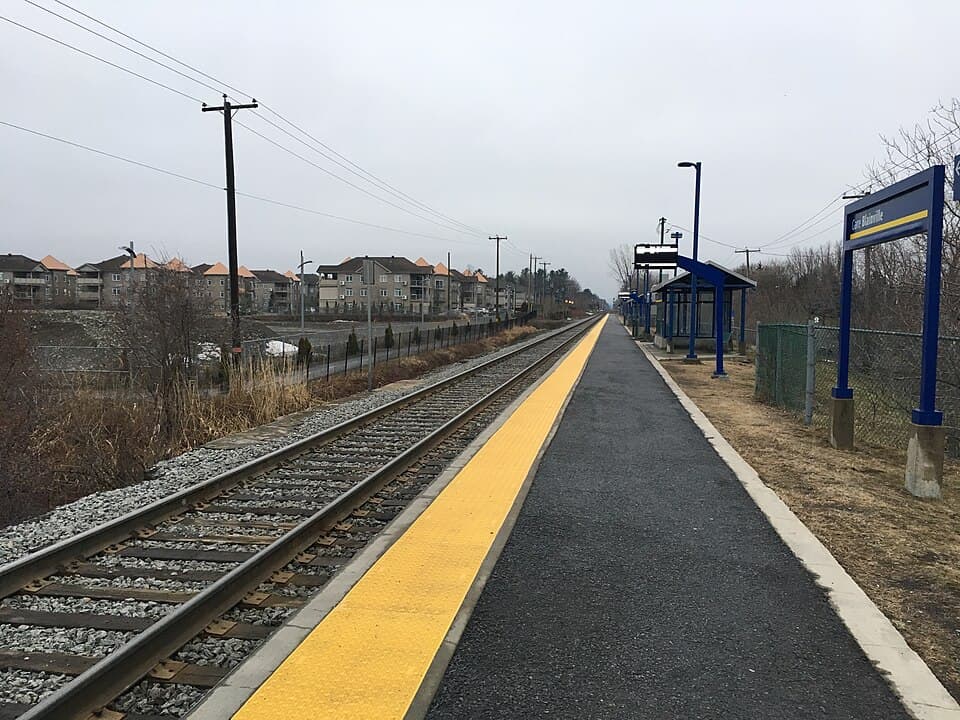
Photo: Wikimedia commons (Ed7789)
6. Blainville
- Median price of a single-family home (Q2 2026): $803,000
- Minimum down payment (5% and 10%)*: $55,300
- Region: Laurentians, Thérèse-De Blainville RCM
- Population (2021): 59,819
Blainville has the busiest real estate market on this list, with 635 single-family homes sold over the past year. Its population has grown steadily for two decades, mostly families leaving Montréal and Laval.
The neighbourhoods built to house them are newer, bigger and more expensive than the older houses, and they’re what the median price is really measuring.
Getting downtown is straightforward, by Highway 15 or the Saint-Jérôme train line. At nearly 60,000 residents, Blainville is the largest city on the list.
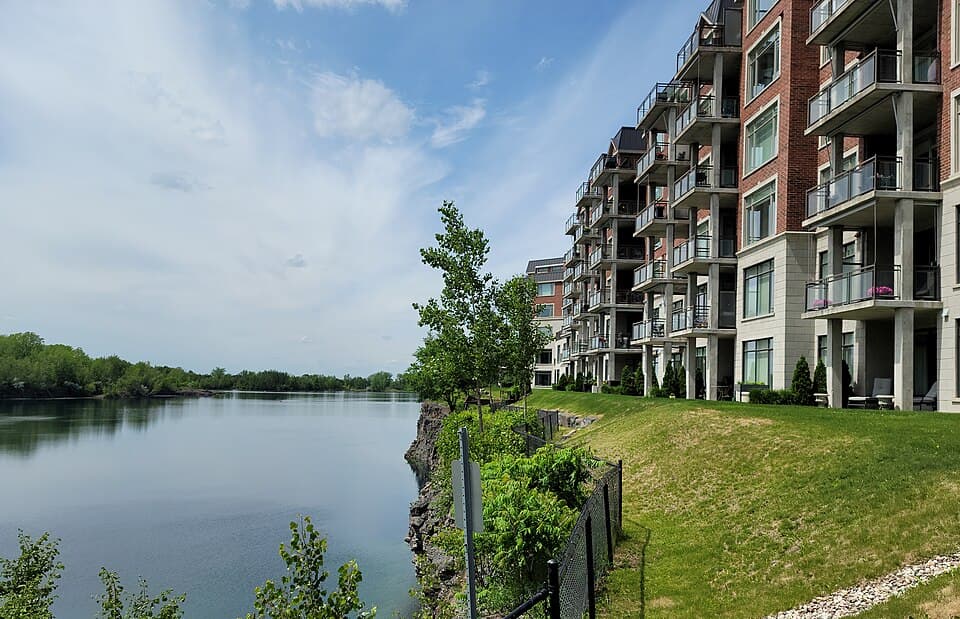
Photo: Wikimedia commons (Veillg1)
7. Saint-Bruno-de-Montarville
- Median price of a single-family home (Q2 2026): $800,000
- Minimum down payment (5% and 10%)*: $55,000
- Region: Montérégie, Longueuil agglomeration
- Population (2021): 26,273
In Saint-Bruno-de-Montarville, geography sets the price. Mont Saint-Bruno and its national park take up a large part of the territory. That leaves little room to build new homes. Limited land plus a mountain in your backyard has kept prices high for a long time. Saint-Bruno also has five lakes, a lot of trails and no shortage of stores.
It also sits where highways 30 and 116 meet, about twenty minutes from the Louis-Hippolyte-La Fontaine bridge-tunnel. That makes it convenient for households who work on both sides of the river.
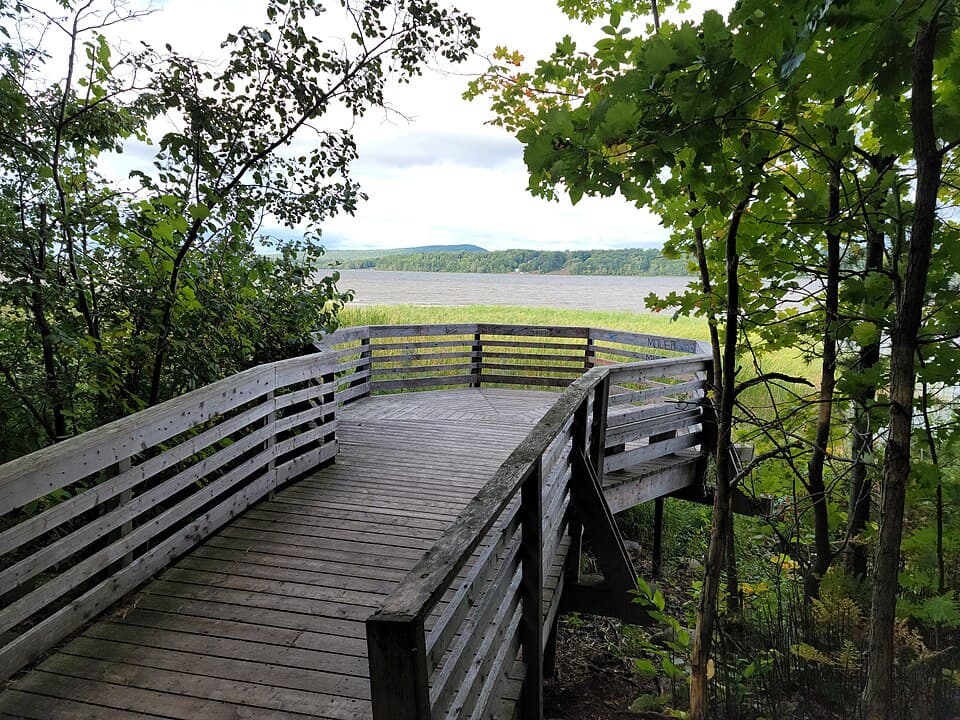
Photo: Wikimedia commons (Veillg1)
8. Notre-Dame-de-l’Île-Perrot
- Median price of a single-family home (Q2 2026): $785,000
- Minimum down payment (5% and 10%)*: $53,500
- Region: Montérégie, Vaudreuil-Soulanges RCM
- Population (2021): 11,427
Notre-Dame-de-l’Île-Perrot sits on the southeast corner of Île Perrot, with Lac des Deux Montagnes on one side and Lac Saint-Louis on the other. An island only has so much land and that explains much of the real estate prices.
The town grew around waterfront properties and newer neighbourhoods on large lots. Highway 20 and the train station put downtown Montréal roughly half an hour away.
Worth knowing: only 33 homes were sold in the second quarter of 2026. That’s the smallest market on the list, so its median can move quite a bit from one quarter to the next.
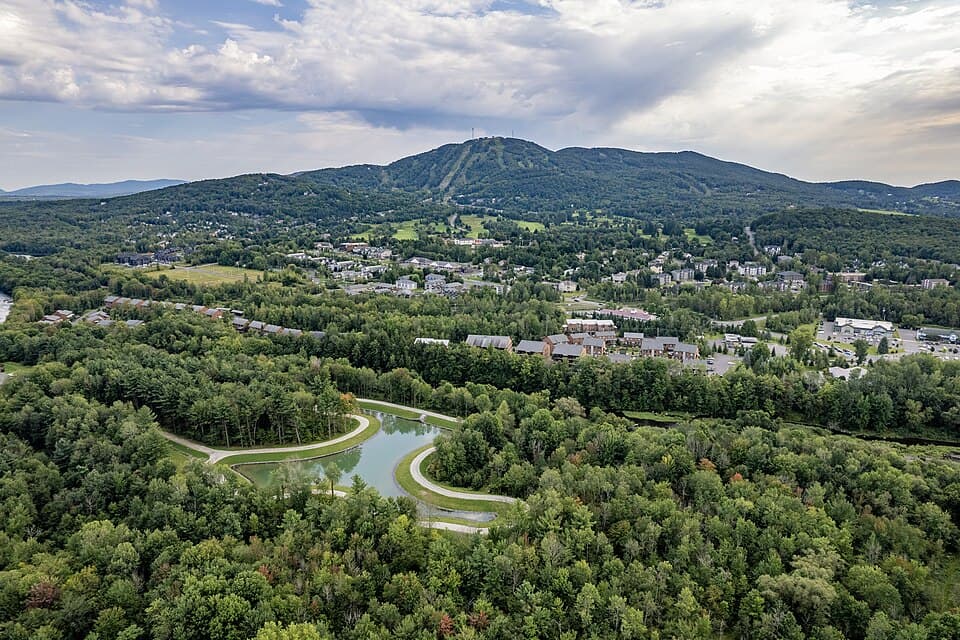
Photo: Wikimedia commons (Gabriel Picard)
9. Bromont
- Median price of a single-family home (Q2 2026): $780,000
- Minimum down payment (5% and 10%)*: $53,000
- Region: Eastern Townships, Brome-Missisquoi RCM
- Population (2021): 11,357
Bromont is the only city on the list outside the Montréal area. It has an unusual mix: a ski hill open year-round, several golf courses, a lake and a science park with technology companies.
Because it is both a vacation spot and a place to work, it attracts two kinds of buyers: people who live there full time and work locally or from home, and Montrealers shopping for a second place.
Bromont is less than an hour from Montréal by Highway 10. That makes it easier to reach than most vacation areas in Quebec.
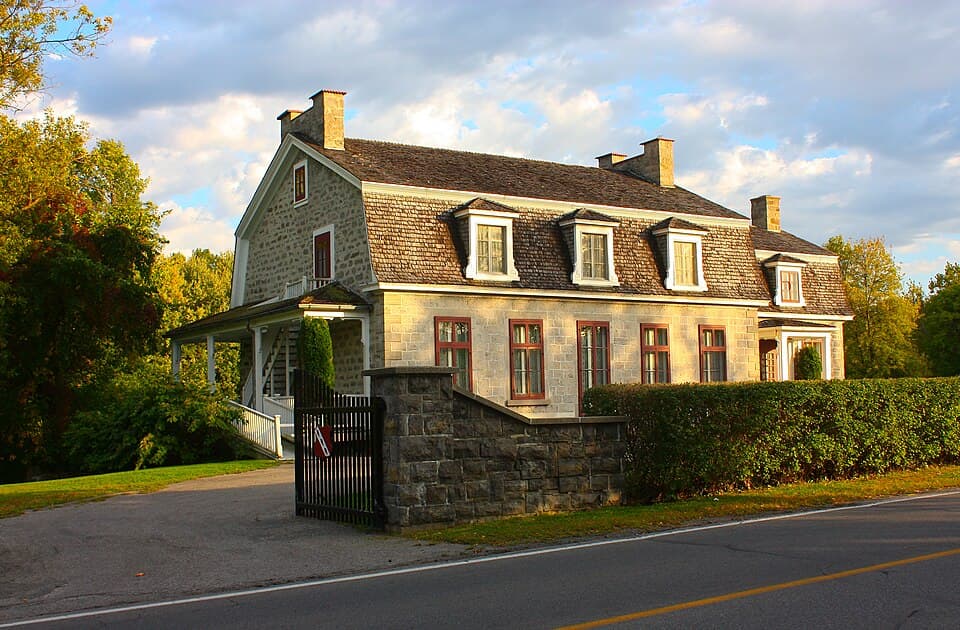
Photo: Wikimedia commons (Veillg1)
10. Lorraine
- Median price of a single-family home (Q2 2026): $780,000
- Minimum down payment (5% and 10%)*: $53,000
- Region: Laurentians, Thérèse-De Blainville RCM
- Population (2021): 9,502
Lorraine and Bromont have exactly the same median price for the second quarter of 2026. Lorraine comes in tenth because it had fewer sales, 34 compared to 50, and a slightly lower median over the past year.
The town is unusual for Quebec. It is almost entirely residential, with no industrial zone and very few businesses. It was built in the 1960s inside a forest that was mostly left standing, so there are plenty of trees and large lots.
The homes are also very similar to each other, and very few go up for sale, which keep the prices high. With 9,502 residents, Lorraine is the smallest city on the list.
Why median price instead of average price?
The prices in this article are median prices, not averages. The median is the value that splits sales into two equal halves: half closed below that amount, half above.
An average price works differently, since a few exceptional sales can pull it upward. In a ranking like this one, a handful of multimillion-dollar transactions would be enough to inflate a city’s figure and distort the comparison.
*A note on the down payment
The minimum down payment depends on the price of the home. Between $500,000 and $1,000,000, you need 5% on the first $500,000, then 10% on everything above that.
At $1,000,000 and up, the rule changes: 20% of the full price, with no CMHC mortgage loan insurance available. That is why Saint-Lambert requires $233,000 while every other city on this list stays under $66,000.
Looking to buy or sell a home in one of those cities?
Habitam can help you find a real estate broker. When you tell us about your project, we put you in touch with qualified resources for free. Simply fill out our form (it only takes a few minutes) and we will connect you with professionals.